How to Select the Right Aluminum Pergola for High-Wind Coastal Zones
Justin Bremer • September 16, 2026

September 16, 2026

Coastal living offers unparalleled beauty, ocean breezes, and breathtaking views. However, designing an outdoor living space on the coast means battling elements that quickly destroy standard patio structures: corrosive salt spray, intense UV radiation, and high-velocity hurricane-force winds.

Quick Answer: To select the right aluminum pergola for a high-wind coastal zone, you must choose a structure engineered from heavy-duty extruded aluminum (like 6063-T6 alloy) with a wind rating of at least 150 to 175+ mph to comply with stringent coastal building codes like Miami-Dade's NOA standards. Furthermore, ensure it features an AAMA 2604 or 2605 architectural-grade powder coating and marine-grade 316 stainless steel hardware to permanently prevent saltwater corrosion.

If you are looking to transform your coastal patio without compromising on safety or durability, ASC Aluminum engineers pergolas specifically designed to conquer these extremes. Here is your comprehensive guide to selecting a hurricane-rated aluminum pergola that will last a lifetime.
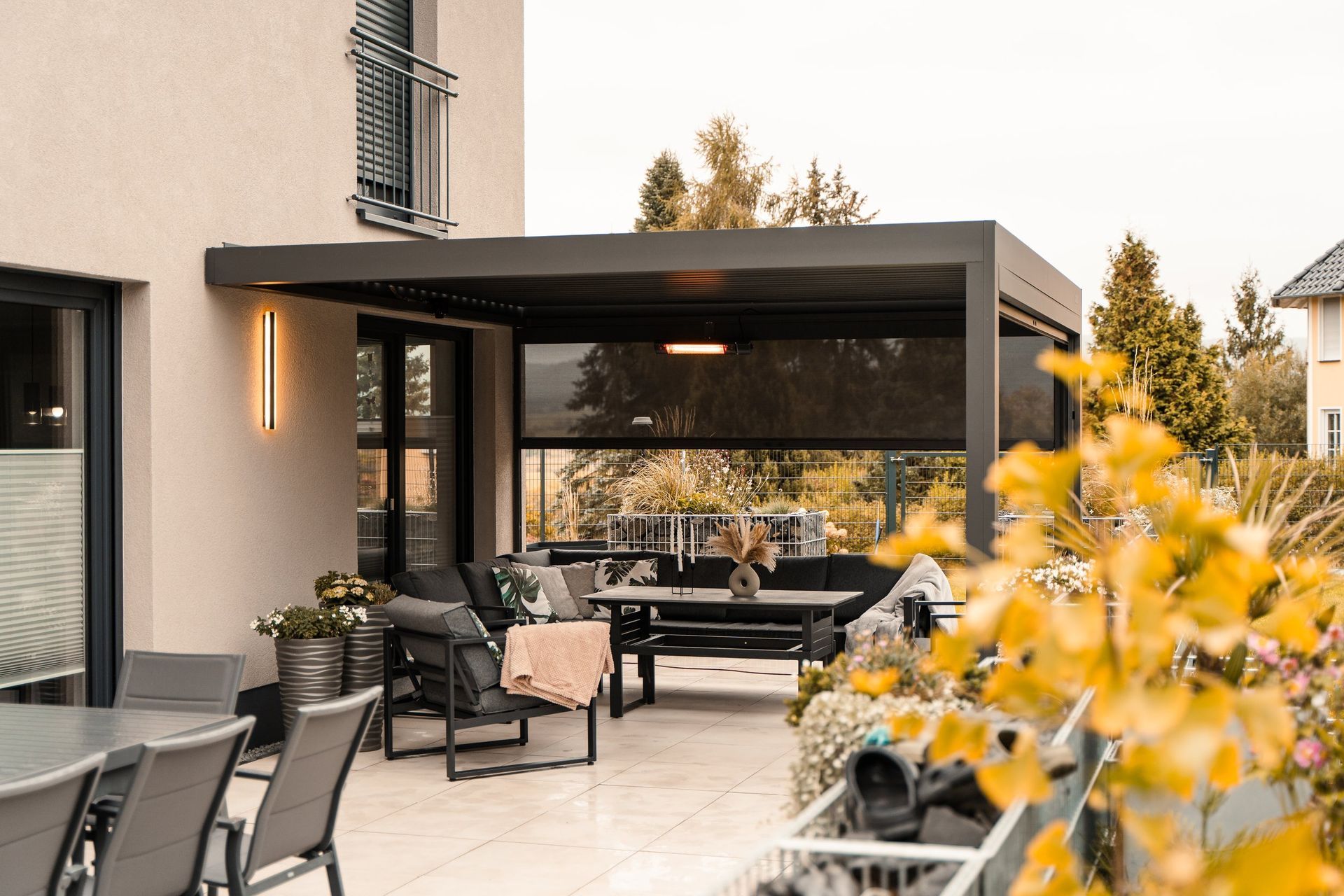
Modern patio with black pergola, outdoor seating, and warm wall lights beside a house

A properly engineered aluminum pergola easily withstands coastal conditions

The Reality of Coastal Climates: Beauty Meets Brutality

Building near the ocean is fundamentally different from building inland. A standard big-box store pergola that survives a gentle Midwestern summer will quickly succumb to the harsh realities of the coast. When selecting an outdoor structure for waterfront properties, you are designing against three primary threats:

  1. Extreme Wind Loads: Coastal properties lack the natural windbreaks provided by inland topography and dense forestry. During severe thunderstorms, tropical depressions, or hurricanes, sustained winds can easily exceed 100 mph, transforming flimsy pergolas into dangerous projectiles.

  2. Saltwater Corrosion: The continuous mist of salt air acts as an aggressive electrolyte, rapidly accelerating the rusting process of standard steel and degrading cheap paint finishes.

  3. Relentless UV Exposure: The amplified reflection of the sun off the ocean degrades low-quality vinyl, wood stains, and standard powder coatings, causing them to chalk, fade, and crack within a few short years.

To combat these elements simultaneously, material selection and structural engineering must be flawless.

Why Aluminum is the Ultimate Choice for Coastal Pergolas

When evaluating pergola materials for beachfront homes, homeowners typically consider wood, vinyl, steel, and aluminum. For coastal environments, heavy-duty aluminum is unequivocally the superior choice.

  • Wood: While aesthetically pleasing, wood is porous. It absorbs coastal moisture, leading to rot, warping, and termite infestations. To survive near the ocean, wood requires exhausting annual maintenance, including sanding, sealing, and staining. More importantly, standard wood structures rarely pass High-Velocity Hurricane Zone (HVHZ) wind codes without massive, unsightly steel reinforcement.

  • Vinyl: Vinyl becomes brittle over time when exposed to extreme UV rays. In a high-wind event, brittle vinyl shatters, offering virtually zero structural integrity.

  • Steel: Steel is incredibly strong, but it is highly susceptible to rust. Even galvanized steel will eventually succumb to the relentless attack of coastal salt spray once its protective zinc layer is scratched or compromised.

The Extruded Aluminum Advantage:

Premium pergolas, like those manufactured by ASC Aluminum, are constructed using extruded aluminum (frequently the 6063-T6 alloy, commonly used in aerospace and marine applications). Aluminum possesses a remarkable strength-to-weight ratio. Crucially, aluminum does not rust. When exposed to oxygen, it forms a microscopic, invisible layer of aluminum oxide that halts further corrosion. When properly engineered, an aluminum pergola can withstand Category 5 hurricane winds without rusting, warping, or demanding constant upkeep.

Decoding Wind-Resistance and Coastal Building Codes

Selecting a pergola for a high-wind zone isn't just about peace of mind; it's about legal compliance. Coastal municipalities have the strictest building codes in the nation.

Understanding Wind Ratings

You will often see pergolas advertised as "hurricane-proof." However, "hurricane-proof" is a marketing term; what matters is the engineered wind rating .

A wind rating specifies the maximum sustained wind speed the structure is certified to handle without catastrophic failure.

  • 55 - 72 mph: Typical for cheap import kits. These will fail in strong coastal thunderstorms.

  • 96 - 130 mph: Can handle a Category 2-3 hurricane. Decent, but may fail during major coastal storms.

  • 157 - 175+ mph: Engineered for Category 5 hurricanes. This is the gold standard for true coastal safety.

Miami-Dade NOA and HVHZ Standards

If you live on the Florida coast or the Gulf of Mexico, your local building authority likely requires compliance with High-Velocity Hurricane Zone (HVHZ) standards. The strictest benchmark in the United States is the Miami-Dade Notice of Acceptance (NOA) .

To achieve an NOA certification, a pergola system must undergo brutal third-party testing, including massive wind uplift tests and structural pressure evaluations proving it can withstand wind speeds up to 175 mph or more. Even if you don't live in Miami-Dade County, purchasing an ASC Aluminum pergola engineered to meet or exceed these rigorous FBC (Florida Building Code) standards ensures your investment will survive whatever Mother Nature throws at it.

Essential Design Features for High-Wind Zones

A high wind rating isn't achieved by the aluminum alone; it is the result of meticulous structural engineering. When comparing coastal pergolas, look for these critical design features:

1. Robust Wall Thickness and Heavy-Duty Posts

The strength of an aluminum pergola lies in the thickness of the extruded metal walls. Budget pergolas use thin-walled aluminum that buckles under pressure. High-wind zones require thick-gauge aluminum posts (typically 6x6 inches or larger) and deeply reinforced headers that won't flex or torque during sustained wind gusts. A heavy, substantial structure resists the intense uplift forces generated by hurricanes.

2. Concealed, Engineered Connections

In a severe storm, the weakest points of any structure are the joints. Premium hurricane-rated pergolas utilize heavy-duty internal corner brackets and reinforced gussets. By keeping the structural hardware internal, the connections are protected from both extreme wind shear and the corrosive saltwater atmosphere.

3. Smart Louvered Roof Systems

Motorized bioclimatic louvered roofs are incredibly popular in coastal zones. However, the louvers must be engineered as part of the certified wind-load system. In the event of a hurricane, louvered roofs can actually work to your advantage. By opening the louvers slightly during extreme winds, you allow the air to pass through the roof, drastically reducing the intense uplift pressure on the pergola's frame and foundation.

4. Deep Foundation Anchoring

A pergola rated for 175 mph is useless if it isn't properly attached to the ground. Coastal building codes require precise engineering for the foundation. Depending on your soil type and proximity to the water, ASC Aluminum will ensure the pergola is anchored deeply into reinforced concrete footings using specialized heavy-duty structural anchors.

Defeating Saltwater Corrosion: Why Finishes Matter

While aluminum itself won't rust, the finish applied to it is what keeps it looking pristine year after year. For coastal zones, standard paint or cheap powder coating will blister and peel within months.

Architectural-Grade Powder Coating (AAMA 2604 / 2605)

When selecting your pergola, demand to know the powder coating standard. You need an architectural-grade finish that meets AAMA 2604 or AAMA 2605 specifications.

  • AAMA 2604: Provides exceptional color retention and resistance to salt spray, perfect for most coastal applications.

  • AAMA 2605: The absolute highest standard, offering extreme, decades-long resistance to UV fading, chalking, and coastal corrosion.

These coatings are electrostatically applied and baked into the aluminum, creating a bonded shell that salt and sun cannot penetrate.

Marine-Grade Hardware

Your aluminum posts won't rust, but what about the bolts holding them together? A true coastal pergola uses Marine-Grade 316 Stainless Steel hardware . Unlike standard 304 stainless steel, 316 stainless contains molybdenum, which specifically drastically increases resistance to pitting and corrosion in chloride (salt) environments. If a manufacturer cuts corners on the bolts, rust will bleed down your beautiful white aluminum pillars within a year.

The ASC Aluminum Advantage

At ASC Aluminum , we understand that a coastal pergola is a major investment in your home's value and your family's lifestyle. We don't just build pergolas; we engineer coastal sanctuaries.

When you choose ASC Aluminum, you are choosing:

  • Uncompromised Engineering: Our structures are designed to meet the nation's most demanding coastal building codes, keeping your property safe and compliant.

  • Premium Extrusions: We use heavy-gauge aluminum capable of resisting severe hurricane uplift and shear forces.

  • Impeccable Finishes: Coated with industry-leading powder finishes and assembled with marine-grade hardware to ensure a lifetime of rust-free beauty.

  • Custom Design: Every coastal patio is unique. We tailor the dimensions, louver systems, and aesthetic details to perfectly match your home's architecture.

Low-Stress Maintenance Tips for Coastal Pergolas

One of the primary benefits of an ASC Aluminum pergola is how little work it requires. To keep your structure looking brand new in a high-salt environment, follow this simple routine:

  1. The Monthly Rinse: Grab your garden hose (no pressure washer needed) and thoroughly rinse the posts, headers, and louvers once a month. This washes away accumulated salt crystals before they can bake into the finish.

  2. Gentle Cleaning: Twice a year, wash the pergola with a soft bristle brush, warm water, and a mild, non-abrasive soap (like car wash soap).

  3. Inspect the Tracks: For motorized louvered systems, keep the gutters and louver tracks clear of coastal debris like pine needles, palm fronds, or sand to ensure the mechanisms operate smoothly.

Frequently Asked Questions

What is the best wind rating for a coastal pergola?

For high-wind coastal zones, you should look for an aluminum pergola engineered to withstand at least 150 mph sustained winds. If you live in an area prone to major hurricanes (like South Florida or the Gulf Coast), seek structures engineered for 175+ mph to comply with Miami-Dade High-Velocity Hurricane Zone (HVHZ) building codes.

Do I need a permit to install an aluminum pergola on the coast?

Yes. In almost all coastal municipalities, permanent outdoor structures require a building permit. You will need to submit site-specific engineering plans proving the pergola meets local wind load and foundation requirements. A reputable manufacturer like ASC Aluminum will provide the necessary engineering documents.

Are louvered pergolas safe during a hurricane?

Yes, provided they are heavily engineered and certified as a complete system. High-quality motorized bioclimatic pergolas are extremely safe. During a severe storm, you can open the louvers to allow wind to pass freely through the roof, which dramatically reduces the uplift pressure on the structural columns and the foundation.

Will an aluminum pergola rust in the salt air?

No, aluminum does not rust. However, it is vital to ensure the pergola is finished with an AAMA 2604 or 2605 architectural-grade powder coating and assembled entirely with marine-grade 316 stainless steel hardware. This combination prevents any salt-induced corrosion or aesthetic degradation.

Elevate Your Coastal Living Experience

Living on the coast means you shouldn't have to compromise between breathtaking outdoor aesthetics and rugged, storm-ready durability. By insisting on heavy-gauge extruded aluminum, verifiable high-wind engineering, and marine-grade finishes, you ensure your patio remains a relaxing oasis, regardless of the weather report.

Ready to build a structure that survives the storm and stuns in the sun? Contact ASC Aluminum today to start designing the ultimate hurricane-rated aluminum pergola for your coastal home.

October 9, 2026
Living in Hurricane Country: Why Home Protection Matters If you live in the Tampa Bay Area, Florida, United States, hurricane preparation is not just a seasonal activity — it is part of responsible home ownership. Florida’s coastal environment provides beautiful sunshine, warm weather, and incredible outdoor lifestyle opportunities. However, it also brings the risk of tropical storms and hurricane activity each year. Homeowners in the region are increasingly investing in permanent storm protection systems, and among the most popular solutions are accordion shutters. These protective systems are designed to shield windows and vulnerable entry points from high winds, flying debris, and severe rain pressure. Many homeowners prefer accordion shutters because they combine strong protection with practical convenience. What Are Accordion Shutters? Accordion shutters are permanent mounting hurricane protection systems installed along the sides of windows and doors. When not in use, the shutters fold neatly into an accordion-style storage position. When storm warnings are issued, homeowners can pull the shutters across windows and lock them securely into place. This design makes them different from temporary storm boards or removable panel systems. In hurricane-prone regions such as Florida, United States, quick deployment can be extremely valuable during emergency preparation. Hurricane Preparedness Made Simple One of the biggest reasons homeowners choose accordion shutters is simplicity. Storm preparation can be stressful. Families may have to: Secure outdoor furniture Monitor weather forecasts Protect windows Move valuable items indoors Accordion shutters reduce one major step in this process. Because the system is permanently installed, there is no need to store large panels or search for installation tools every season. Homeowners can respond quickly when weather advisories are issued. In the coastal communities around Tampa Bay Area, Florida, United States, rapid storm response is highly valued. Year-Round Protection Without Seasonal Installation Some storm protection systems require setup and removal every season. Accordion shutters are different. They remain installed throughout the year. This provides continuous protection against unexpected weather events. Florida weather can sometimes change quickly. Tropical storms may form with limited warning time. Having a permanent protection system provides peace of mind. Many homeowners describe this benefit as reducing anxiety during hurricane season. Protection Against Windborne Debris During hurricanes, one of the greatest dangers is flying debris. Strong winds can carry objects that may break windows or damage interior structures. Once windows break, wind pressure can enter the home and increase structural risk. Accordion shutters help prevent this by creating a strong protective barrier. Modern aluminum shutter systems are engineered to withstand significant impact stress. Homeowners across coastal Florida rely on these systems to protect: Glass windows Interior furniture Wall insulation Electrical systems Family living spaces Convenience During Emergency Weather Events When a hurricane warning is issued, preparation time can be limited. Accordion shutters can typically be deployed within minutes. The process usually involves: Unlocking the storage position Sliding shutters across window openings Securing locking mechanisms This simplicity is particularly valuable for families with children or elderly residents. Residents in the Tampa Bay Area, Florida, United States often prefer solutions that are easy to operate during stressful weather situations. Low Maintenance Protection Technology Another advantage of accordion shutters is durability. These systems are designed for long service life under Florida environmental conditions. Basic maintenance usually involves: Cleaning dust and salt residue Checking mechanical tracks Inspecting locking components Because Florida coastal air can contain salt moisture, corrosion-resistant materials are important. High-quality aluminum systems are commonly used in storm protection installations. Property Safety and Family Peace of Mind Home protection is not only about building structure. It is also about psychological comfort. When hurricane season approaches, families want confidence that their home is prepared. Accordion shutters provide visual reassurance because protection is physically visible and ready. Many homeowners in Florida, United States report feeling safer knowing their windows are protected. Impact on Home Insurance Considerations Some insurance providers recognize hurricane protection systems as risk mitigation measures. While policy rules vary, installing storm protection may influence insurance evaluation factors. Homeowners should consult their insurance providers regarding potential premium effects. Long-Term Value Investment Accordion shutters are considered long-term home improvement investments. Unlike temporary storm boards that must be replaced, these systems are built for extended use. Over time, the cost per year of protection becomes very reasonable. Why Tampa Bay Homeowners Are Choosing Professional Installation Professional installation ensures: Proper structural mounting Correct locking alignment Maximum storm performance safety Warranty protection compliance Home improvement companies serving the Tampa Bay region understand local building requirements. Weather Reality in Coastal Florida Living near the coast means preparing for environmental risk. The hurricane season in Florida, United States typically runs from June through November. During this period, homeowners must stay prepared. Storm protection systems are part of responsible coastal home management. Comparing Accordion Shutters to Temporary Protection Methods Some homeowners use plywood boards or removable panels. However, these options require: Storage space Physical installation labor Time during emergency preparation Accordion shutters eliminate many of these challenges. Community Trend Toward Permanent Storm Protection Across the Tampa Bay Area, Florida, United States, more homeowners are upgrading exterior protection systems. This reflects growing awareness of storm risk management and property safety. Choosing the Right Storm Protection Partner When selecting installation services, homeowners should evaluate: Product material quality Installation experience Warranty coverage Customer service reputation Working with specialized home protection providers helps ensure system reliability. Conclusion Accordion shutters are one of the most practical hurricane protection solutions for homeowners living in the Tampa Bay Area, Florida, United States. They offer convenience, safety, durability, and long-term value. For Florida homeowners looking for reliable storm preparation, accordion shutters represent a smart investment in both property protection and family peace of mind.
October 9, 2026
Understanding Budget-Friendly Hurricane Protection Living in the Tampa Bay Area, Florida, United States means preparing for hurricane season every year. Not every homeowner wants or needs permanent shutter systems. Some families prefer a more affordable storm protection method that still provides reliable safety. This is where storm panels become a practical option. Storm panels are removable protective barriers installed over windows before a hurricane arrives. Many homeowners across Florida, United States choose storm panels because they balance cost and protection. What Are Storm Panels? Storm panels are temporary hurricane protection covers. They are typically made from: Aluminum Steel High-strength composite materials Homeowners install them when storm warnings are issued and remove them after the weather threat passes. Unlike permanent shutter systems, storm panels are stored when not in use. This makes them attractive for budget-conscious families. Why Storm Panels Are Popular in Florida Florida has a large coastal residential population. Many homeowners want hurricane protection but must also manage household budgets. Storm panels offer: Lower upfront cost Effective seasonal protection Strong impact resistance In communities around the Tampa Bay Area, Florida, United States, storm panels remain a common entry-level protection choice. Cost Advantages of Storm Panel Systems Compared to permanent shutter installations: Initial purchase cost is lower Installation complexity is simpler Material requirements are more basic For homeowners who only need seasonal hurricane protection, this is a practical solution. Families living in inland or moderately exposed areas of Florida, United States may especially benefit. Seasonal Hurricane Protection Strategy Storm panels are designed for seasonal use. Typical workflow includes: Monitor weather forecasts during hurricane season Retrieve stored panels Install panels before storm arrival Remove and store after threat passes Hurricane season in Florida generally runs from June through November. Preparation planning is important. Installation Requirements Storm panel installation requires some physical effort. Homeowners may need: Mounting tracks or anchor points Basic tools Time for panel placement Some families choose professional installation assistance. Professional services are widely available in the Tampa Bay Area, Florida, United States. Storage Considerations Because storm panels are removable, storage space is needed. Homeowners should store panels: In dry areas Away from direct moisture exposure Organized for quick retrieval Proper storage helps prevent material damage. Wind and Impact Resistance Performance Storm panels are designed to resist hurricane wind forces and flying debris. They are tested for structural performance under severe weather conditions. While not as convenient as permanent shutter systems, they still provide strong protection when properly installed. Who Should Consider Storm Panels? Storm panels are a good choice for homeowners who: ✅ Want affordable hurricane protection ✅ Do not want permanent exterior installation ✅ Are comfortable with seasonal setup ✅ Need basic storm safety coverage This makes them popular among first-time hurricane protection buyers in Florida, United States. Storm Panels vs Permanent Shutter Systems Advantages Lower cost Simple design Good impact defense Limitations Requires installation effort Needs storage space Not always immediately deployable Homeowners should evaluate lifestyle and budget preferences. Supporting Florida Home Safety Protecting windows is critical because broken windows can allow: Wind pressure entry Water intrusion Interior structural stress Storm panels help reduce these risks. Families living in coastal zones around Tampa Bay Area, Florida, United States should take storm preparation seriously. Maintenance Tips Storm panels are relatively low maintenance. Homeowners should: Inspect panels before hurricane season Clean dust and debris Check mounting hardware Replace damaged components Simple care helps extend lifespan. Working With Exterior Protection Specialists Professional home protection companies can help homeowners choose the right system. When sourcing storm protection products in Florida, United States, look for providers that offer: Material quality guidance Installation support Warranty protection Local building code compliance Why Tampa Bay Homeowners Still Choose Storm Panels Storm panels remain popular because they offer: Reliable hurricane season protection Affordable entry-level defense Flexible seasonal usage In the Tampa Bay Area, Florida, United States housing market, many homeowners prefer having some protection rather than none. Conclusion Storm panels are a practical hurricane protection solution for Florida homeowners who want budget-friendly safety. While they require seasonal installation, they provide strong defense against wind and debris. Homeowners in the Tampa Bay Area, Florida, United States looking for affordable storm preparation options should consider storm panels as part of their home protection strategy. At ASC Aluminum, homeowners can explore storm panel solutions that fit their budget and property needs.
October 9, 2026
Living the Florida Lifestyle with Better Home Protection Homeownership in the Tampa Bay Area, Florida, United States is unique. You are not just protecting a house — you are protecting a lifestyle. Florida homes are designed to enjoy sunshine, coastal air, and outdoor comfort. But coastal living also means preparing for tropical storms and hurricane season. Among the many storm protection solutions available to homeowners in Florida, United States, Bahama shutters have become a popular choice. Why? Because they combine practical storm defense with beautiful tropical architectural design. What Are Bahama Shutters? Bahama shutters are mounted at the top of windows and open outward at an angled position. Unlike traditional vertical shutters, Bahama shutters create a canopy-style protective shield. They are commonly made from corrosion-resistant aluminum, which is important for homes located near coastal environments. Many homeowners prefer this style because it preserves the classic Florida coastal aesthetic. In communities across the Tampa Bay Area, Florida, United States, architectural appearance matters almost as much as storm safety. Tropical Architectural Style That Matches Florida Homes One of the biggest reasons homeowners choose Bahama shutters is appearance. Florida residential architecture often emphasizes: Bright natural lighting Coastal color themes Relaxed outdoor lifestyle design Bahama shutters complement this style by adding a tropical resort-like appearance. Homes with Bahama shutters often resemble vacation-style coastal properties. This is especially attractive in beachfront and suburban coastal neighborhoods within Florida, United States. Natural Shade and Heat Reduction Florida sunlight can be intense. Direct sun exposure can increase indoor heat, which forces air conditioning systems to work harder. Bahama shutters help reduce sunlight penetration by blocking direct rays. This provides several comfort benefits: Lower indoor temperature fluctuations Reduced glare inside living spaces Protection of furniture from UV exposure Many homeowners in the Tampa Bay region appreciate the natural shading effect. Hurricane Wind Protection Performance Although Bahama shutters are known for style, they also provide strong storm defense. When a hurricane approaches, shutters can be secured in a closed position. The angled design helps deflect wind pressure rather than allowing direct impact. These systems are engineered to meet Florida storm protection standards. For coastal homes in Florida, United States, wind resistance is a major consideration. Quick Storm Preparation During Hurricane Season Hurricane season preparation can be stressful. Bahama shutters are relatively easy to operate. Homeowners can typically secure windows by: Adjusting shutter position Locking support arms Verifying fastening hardware This simplicity is valuable during emergency weather warnings. In the Tampa Bay Area, Florida, United States, rapid storm response is important. Permanent Exterior Design Feature Bahama shutters are often installed as permanent home features. Unlike temporary storm panels, they remain part of the house design year-round. This provides continuous protection and aesthetic value. Many homeowners prefer permanent solutions because they reduce seasonal setup work. Corrosion Resistance for Coastal Environments Coastal Florida air contains salt moisture. Salt exposure can damage poorly manufactured metal products. High-quality Bahama shutter systems are usually made from: Marine-grade aluminum Rust-resistant hardware Weather-protected coatings Homeowners living near the coastline of Florida, United States should prioritize corrosion protection. Property Value and Curb Appeal Exterior home improvements can influence real estate perception. Bahama shutters are often viewed as premium architectural enhancements. Homes with hurricane protection systems may be more attractive to buyers who are relocating to coastal Florida. While property value depends on many factors, protective home features are generally viewed positively in the housing market. Low Maintenance Home Protection Bahama shutters are relatively easy to maintain. Basic care usually includes: Cleaning dust accumulation Inspecting mounting arms Checking locking hardware Routine inspection helps extend system lifespan. Homeowners across the Tampa Bay Area, Florida, United States appreciate low maintenance exterior solutions. Perfect Balance Between Safety and Style Some homeowners want maximum storm protection. Others want aesthetic beauty. Bahama shutters provide a balanced solution. They offer hurricane defense while preserving tropical coastal home appearance. This makes them especially popular in residential Florida neighborhoods. Working With Professional Installation Specialists Proper installation is critical for storm performance. Homeowners should work with experienced exterior protection providers. Professional installation ensures: Structural mounting safety Correct wind load performance Warranty compliance Companies serving Florida, United States coastal communities understand local building standards. Comparing Bahama Shutters to Other Protection Options Compared to storm panels or temporary boards: Bahama shutters are easier to operate They provide permanent architectural appearance They require less seasonal setup effort Compared to accordion shutters: Bahama shutters emphasize design aesthetics more Accordion shutters focus on maximum full-window coverage Homeowners can choose based on personal preference. Why Tampa Bay Homeowners Are Choosing Bahama Shutters Residents in the Tampa Bay Area, Florida, United States value: Coastal home aesthetics Storm preparedness Sunlight control Long-term exterior protection The combination of function and style makes Bahama shutters a popular choice. Conclusion Bahama shutters are an excellent hurricane protection and home design solution for Florida coastal homeowners. They combine tropical architectural beauty with practical storm safety performance. If you live in the Tampa Bay Area, Florida, United States and want exterior protection that also enhances your home’s appearance, Bahama shutters are worth considering. At ASC Aluminum, homeowners can explore custom shutter solutions designed for Florida weather conditions.
Show More →
